20 Minutes to Set Up All Teen Patti Online: What Changes on Other Platforms
Twenty minutes is roughly what it takes to go from a blank screen to a working routine for All Teen Patti Online — a shortlist you trust, a comparison habit, and a clear idea of what each listing actually offers. That is the result I want you to walk away with. Not a pile of bookmarks, not a dozen half-finished sign-ups, but one small setup that survives contact with a busy week.
I have rebuilt this setup a few times, mostly because I kept drifting into the same trap: treating every listing as identical apart from the bonus number. They are not. The differences show up in the small things — how a lobby is arranged, how a withdrawal request is worded, how quickly a support page answers a basic question. Once you notice those differences, the comparison stops being a chore and starts being the actual work.
Why I stopped treating every listing as the same
My first mistake was speed. I would open five tabs, skim the headline offers, and pick whichever one loaded fastest. That approach works fine until something goes wrong, and then you are reading terms for the first time while already frustrated. The fix was boring: I started keeping a single notes file with one line per listing, and I only added a listing after I had actually read its bonus conditions and its cash-out wording.
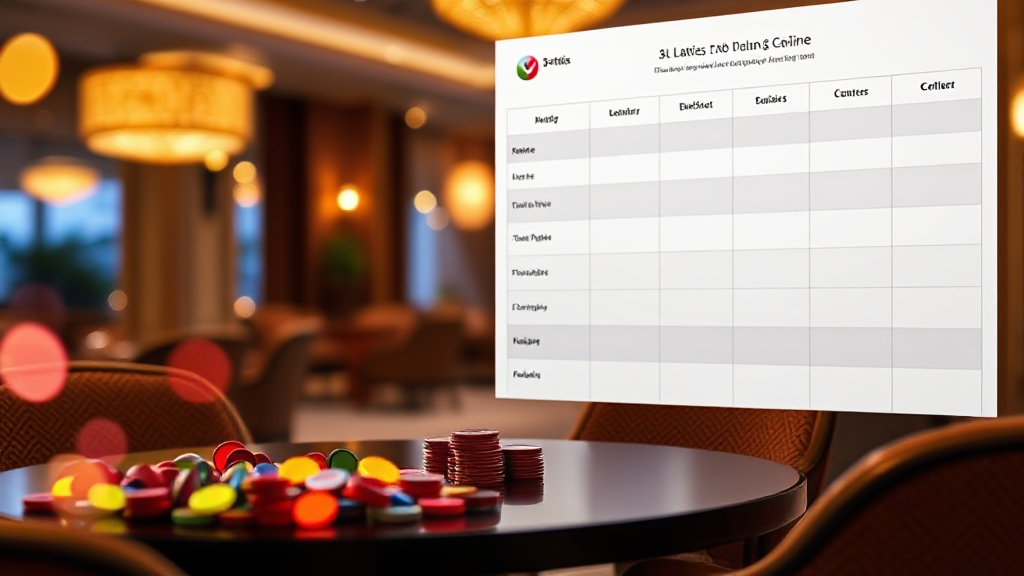
That file is now the backbone of my whole routine. It has four columns — name, bonus line, withdrawal cue, and a one-word verdict. Nothing fancy. But when a friend asks me where to start, I can answer in ten seconds instead of guessing. The directory structure at 3Pattis Game mirrors that logic: editorial scores, bonus lines, and cash-out cues sitting side by side so you can scan instead of dig.
The second mistake was assuming the game itself was the variable. It is not. Teen Patti rules travel well between platforms. What changes is everything around the table — the interface, the stake ladder, the way a lobby groups its rooms, the language used in the withdrawal section. Once I accepted that, my setup time dropped from an evening to about twenty minutes.
My twenty-minute setup, step by step
I do this in one sitting, in this order, and I do not skip steps even when I am impatient.
Minutes 1 to 5 — build the shortlist. I open a comparison directory and pick five listings, not ten. Five is enough to see patterns and small enough that I will actually read each one. I ignore anything that cannot state its bonus conditions in plain sentences.
Minutes 6 to 10 — read the bonus line properly. This is where most people lose time later. I look for the qualifying condition, the expiry, and whether the bonus is tied to a specific game format. If a bonus line is vague, that vagueness is information. I note it and move on.
Minutes 11 to 15 — check the cash-out cue. I want to know how a withdrawal is requested, what identity checks are mentioned, and roughly how long the platform says it takes. I am not looking for a promise. I am looking for whether the platform has thought about this at all.
Minutes 16 to 20 — write the one-word verdict. Clean, slow, unclear, promising. One word per listing. That word is what I actually use later, because it encodes everything I just read.
By the end of minute twenty I have a shortlist I can defend, and I have not signed up for anything yet. That distinction matters. Comparison first, commitment later.
What actually changes when you move between platforms
This is the part I wish someone had told me early. The game is stable; the environment is not. Here is what I watch for when I compare All Teen Patti Online listings side by side.
Lobby layout. Some platforms group rooms by stake, others by speed, others by theme. If you are used to one arrangement, another can feel chaotic for a day or two. It is not a quality signal, just a habit cost. I note it so I do not blame the platform for my own disorientation.
Stake ladder. The lowest and highest available stakes differ more than people expect. If your comfort zone sits at the low end, check that the low end actually exists before you commit.
Bonus mechanics. A headline number means very little on its own. Two listings can advertise the same figure and behave completely differently because of turnover conditions or game restrictions. This is the single biggest source of disappointment I see.
Withdrawal wording. The phrasing tells you a lot. A platform that lists required documents up front is usually easier to deal with than one that mentions them only after a request.
Support responsiveness. I send one plain question before I commit anywhere. How they answer — or whether they answer — is more useful than any review score.
None of these differences are dramatic on their own. Stacked together, they decide whether a platform feels smooth or grating after a month.
Keeping the routine clean after the first week
Setup is easy. Maintenance is where most people slip. My rule is simple: I re-check one listing per week, rotating through the shortlist. That is roughly five minutes, and it catches the changes that matter — a revised bonus condition, a new identity-check requirement, a support page that has gone quiet.
I also keep the shortlist at five. The temptation to add a sixth is constant, and it is almost never worth it. A longer list means less attention per listing, and attention is the only real currency in comparison work. If a listing disappoints twice, it leaves the list and something else earns the slot.
One more habit: I never compare while I am in a hurry. Hurried comparison collapses into headline-skimming, and headline-skimming is how people end up somewhere they would not have chosen. Twenty calm minutes once beats five rushed minutes five times.
And I keep the boundary firm. The directory is for comparing and verifying. The playing happens on licensed operators that I have vetted myself, and the decision is mine, not a score’s. Editorial rankings are a starting point, not a substitute for reading the terms on the operator’s own pages.
Your next twenty minutes
Block the time now and do the four steps in order: shortlist five, read the bonus lines, check the cash-out cues, write one word per listing. Do not sign up during this session. The point is to end with a shortlist you understand, not an account you opened too quickly.
Then set a weekly five-minute re-check and leave the list at five entries. That is the whole system. It is small enough to keep, specific enough to be useful, and it turns a crowded category into something you can actually navigate. Start the timer, build the list, and let the first week tell you which listings deserve the second.